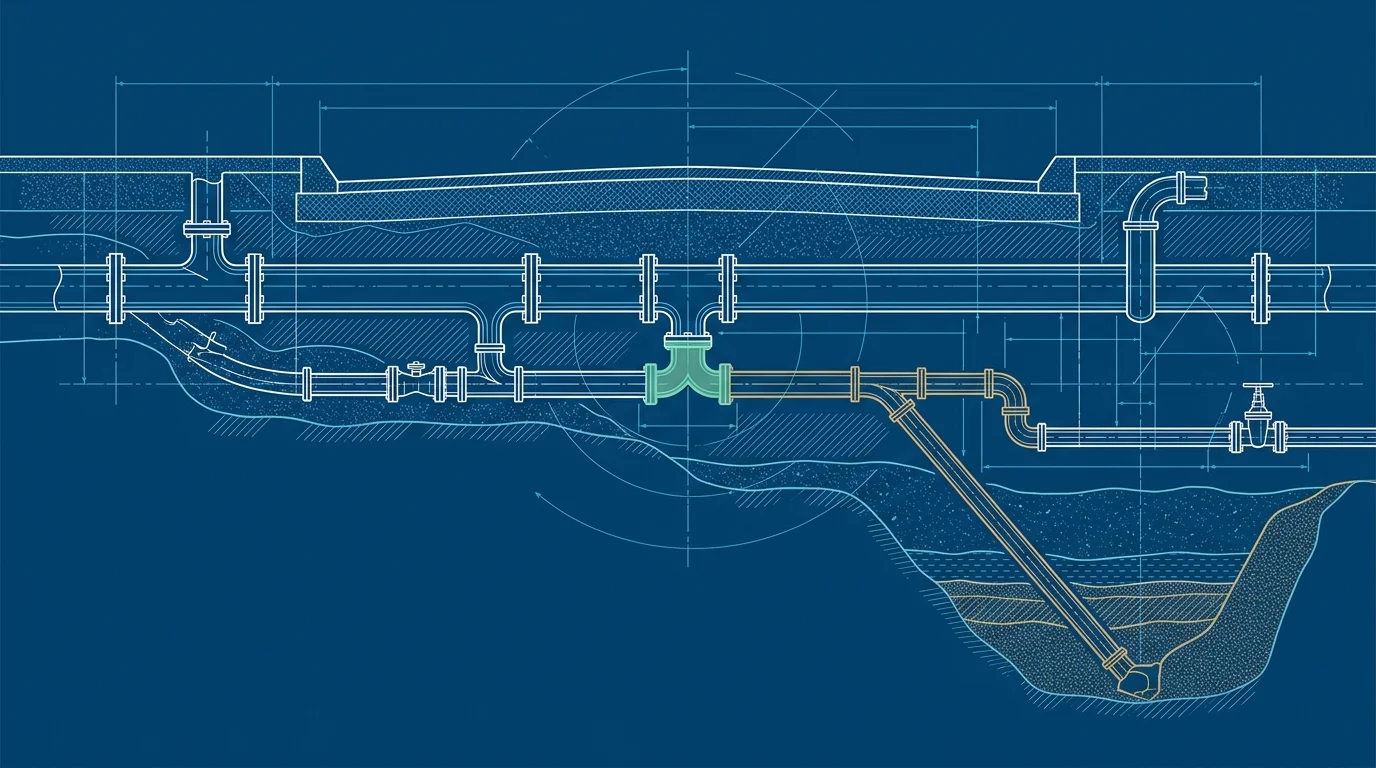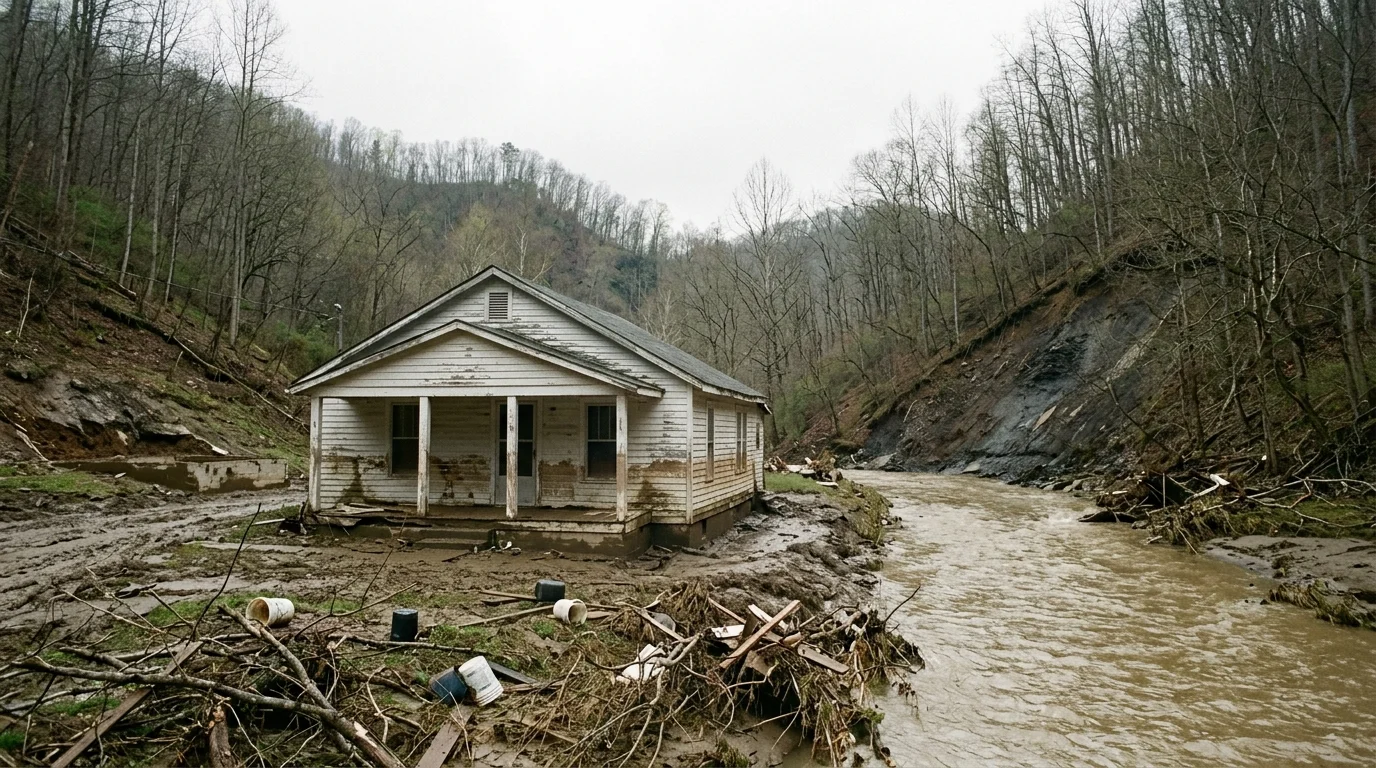
Montverde, Florida is moving to replace aging septic systems with centralized sewer lines, a project aimed at cutting the nutrient runoff that has long threatened Lake Apopka, one of the state's most ecologically battered lakes.
The small Lake County town, population roughly 2,000 to 2,500, sits along Lake Apopka's southern shore. For decades the lake was considered one of Florida's most polluted, its ecosystem gutted by agricultural runoff and municipal discharge. A multi-hundred-million-dollar restoration effort by the St. Johns River Water Management District has improved water clarity since the 1990s, but nutrient loading from surrounding communities remains a problem. Septic systems in towns like Montverde are part of that equation: nitrogen and phosphorus from aging or failing tanks leach through the area's porous soils into groundwater and, eventually, the lake.
Florida has more septic systems than any other state, roughly 2.6 million, and converting them has become a legislative priority. The state's 2020 Clean Waterways Act required regulators to identify where septic systems pose the greatest water-quality risks, and in subsequent years Governor DeSantis backed hundreds of millions of dollars in wastewater funding statewide, including more than $100 million for septic-to-sewer conversions in the 2023-2024 budget alone.
For Montverde, this project is a significant undertaking. The town has a small government and limited staff, and many of its homes were built when the area was rural farmland, each with its own septic system. As western Lake County has grown rapidly with Orlando's expanding housing market pushing outward, concentrating more households on individual systems increases the pollution load on the watershed.
Septic-to-sewer conversions are expensive and complex work, typically running $10,000 to $30,000 or more per property when accounting for trenching, pump stations, and individual hookups. State funding assistance has made projects like this financially viable for small towns.
Montverde is now seeking a contractor to carry out the conversions, a competitive bid process that will determine who builds the connections. Once a contractor is selected and work begins, affected homeowners will be required to connect to the new sewer lines.