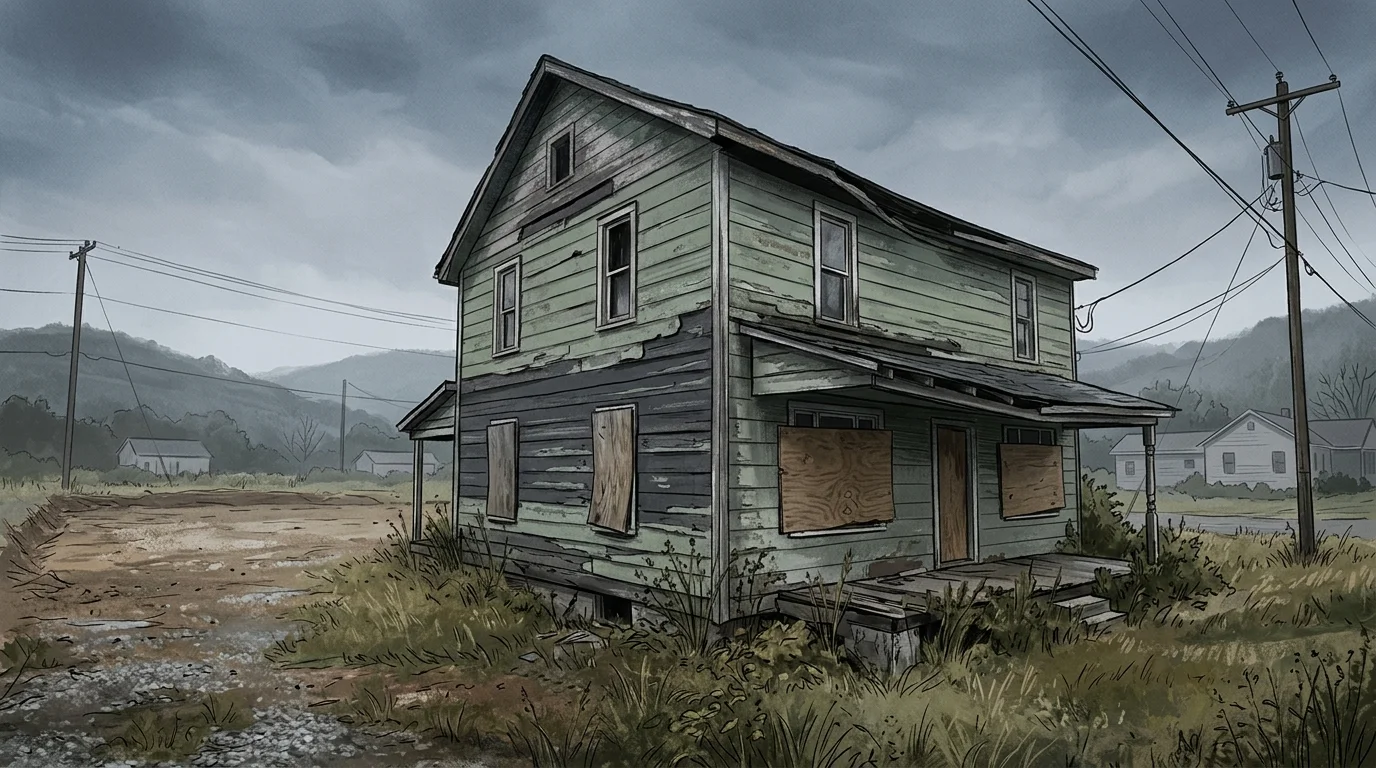
Coshocton County, Ohio is moving to tear down a set of vacant, deteriorating properties as part of a state-funded effort to clear blight that has accumulated over decades of economic decline in this east-central Appalachian community.
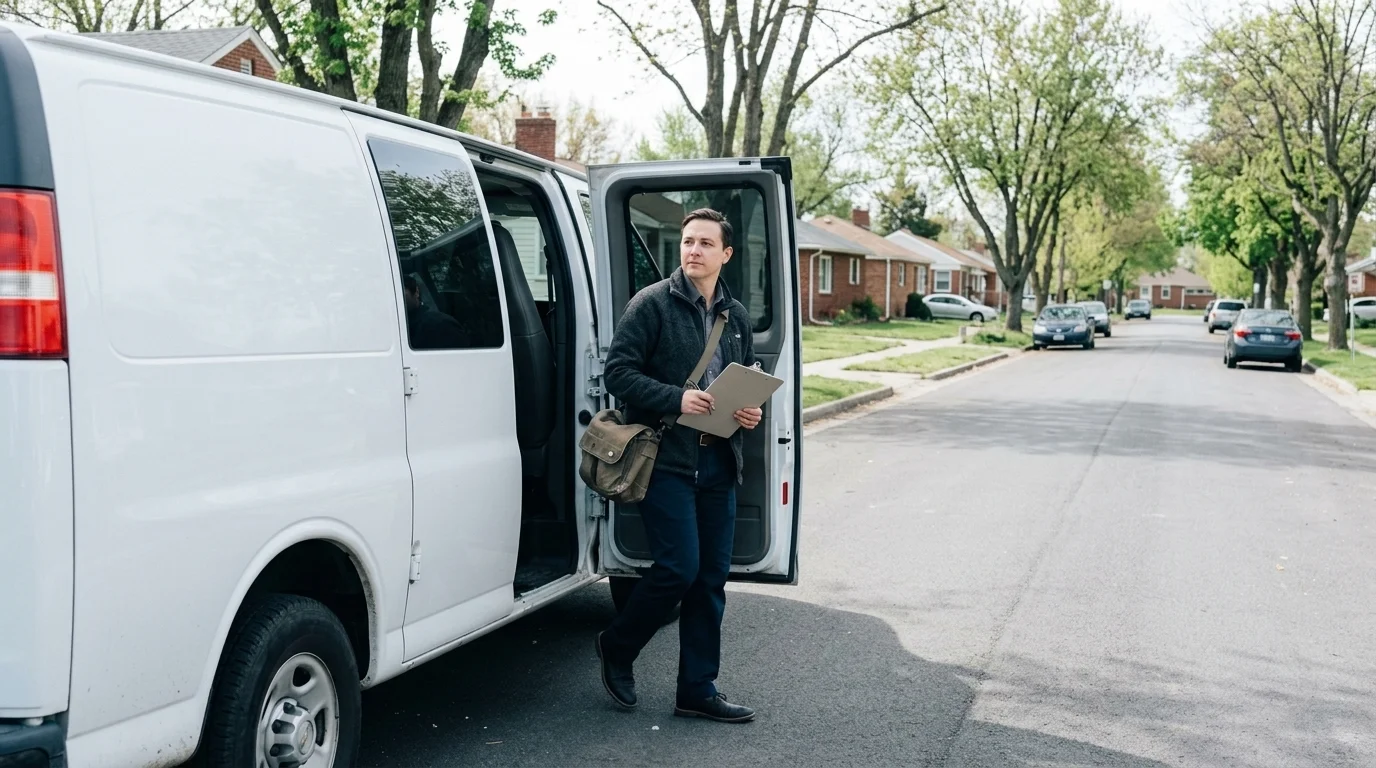
The county's land bank and Port Authority are jointly running the project, drawing on funding from Ohio's Building Demolition and Site Revitalization Program, administered by the Ohio Department of Development. The project covers multiple properties, with an environmental consultant involved, which typically signals the presence of hazardous materials like asbestos or lead paint common in older structures. Contractors will have 60 days after signing to complete the work.
Coshocton County has spent decades watching its economic base erode. Manufacturing, coal, and related industries began contracting in the 1970s and 1980s, and the city of Coshocton shrank from about 11,700 residents in 2000 to roughly 11,200 by 2020. As people leave, properties fall vacant, become eyesores, and drag down surrounding property values, making it harder to attract new businesses or residents. The county's median household income sits around $42,000, well below Ohio's state average, and the poverty rate of about 16% reflects those lingering pressures.
Ohio created its network of county land banks in 2009 specifically to give communities tools to deal with this kind of abandonment. Since then, land banks statewide have demolished tens of thousands of structures, and Governor DeWine's administration has directed more than $150 million into demolition rounds since 2019. Coshocton County is one of the smaller, more rural counties participating in this system.
The demolitions themselves are only part of the challenge. Clearing a blighted structure removes a hazard and can stabilize a block, but empty lots don't automatically attract development, particularly in a community with a shrinking population and limited market demand. Whether these cleared sites become productive again depends on what economic development activity the county and Port Authority can recruit or generate afterward. That longer-term question remains open.
Contractor selection is underway now, with bids due in early April.