A stretch of two-lane highway in western Oklahoma that funnels heavy trucks from oil fields, wind farms, and wheat country into a dangerous narrowing is getting widened, thanks to a $3 million federal freight grant from the U.S. Department of Transportation.
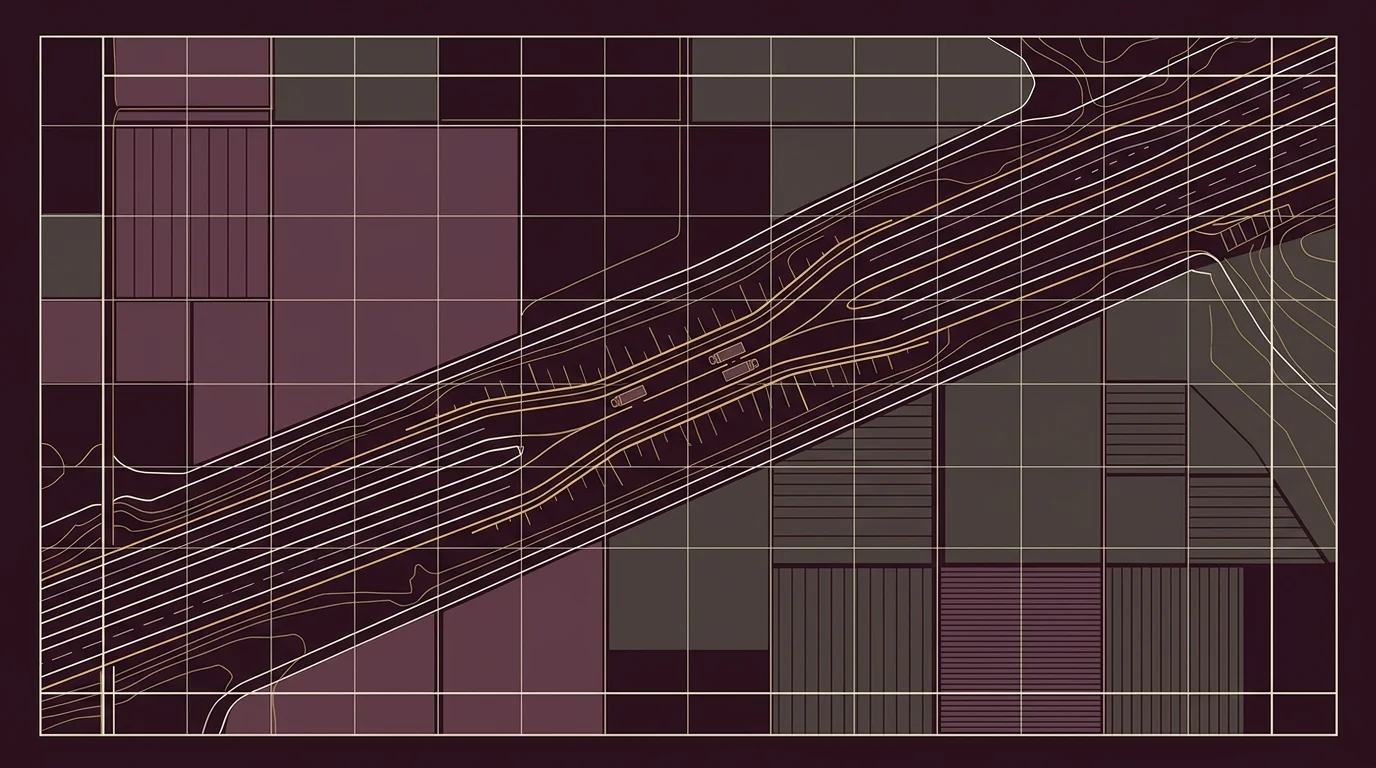
The project will expand roughly 3.93 miles of US-270 near Seiling in Dewey County from a two-lane road to a four-lane divided highway, connecting to an existing four-lane section that already handles the same traffic load safely. These "gap" configurations, where a modern divided highway suddenly squeezes into an undivided two-lane road before widening again, are among the deadliest stretches in rural America. Faster-moving traffic meets slower, head-on conditions with little warning.
US-270 is one of western Oklahoma's primary east-west freight corridors, linking the sparsely populated but economically productive region to I-35 and I-40. Dewey County has only about 5,000 residents, but the roads carry freight volumes far out of proportion to that population. Oil field equipment, grain trucks, and oversized loads hauling wind turbine components for the wind farms proliferating across the region all share this corridor.
Oklahoma DOT has been widening US-270 piece by piece for more than a decade, working through the corridor as federal and state funding becomes available. This grant, drawn from the National Highway Freight Program and funded through the 2021 Bipartisan Infrastructure Law, represents one more section checked off a long list. The federal share covers 80 percent of eligible costs under the program, with the state providing the remainder.
The freight program was designed precisely for situations like this one. National truck freight tonnage has grown roughly 50 percent since 2000, but many rural corridors built in the mid-20th century have never been upgraded to match. The Bipartisan Infrastructure Law roughly doubled annual NHFP funding to about $2.4 billion nationwide through 2026, accelerating projects that had been waiting in line for years.
Oklahoma is expected to receive approximately $5.3 billion in total federal highway formula funding over the life of the infrastructure law. The US-270 corridor has been a consistent priority in the state's freight plan, which must be approved by the federal government for Oklahoma to access these funds. A construction timeline for this segment has not been publicly detailed.