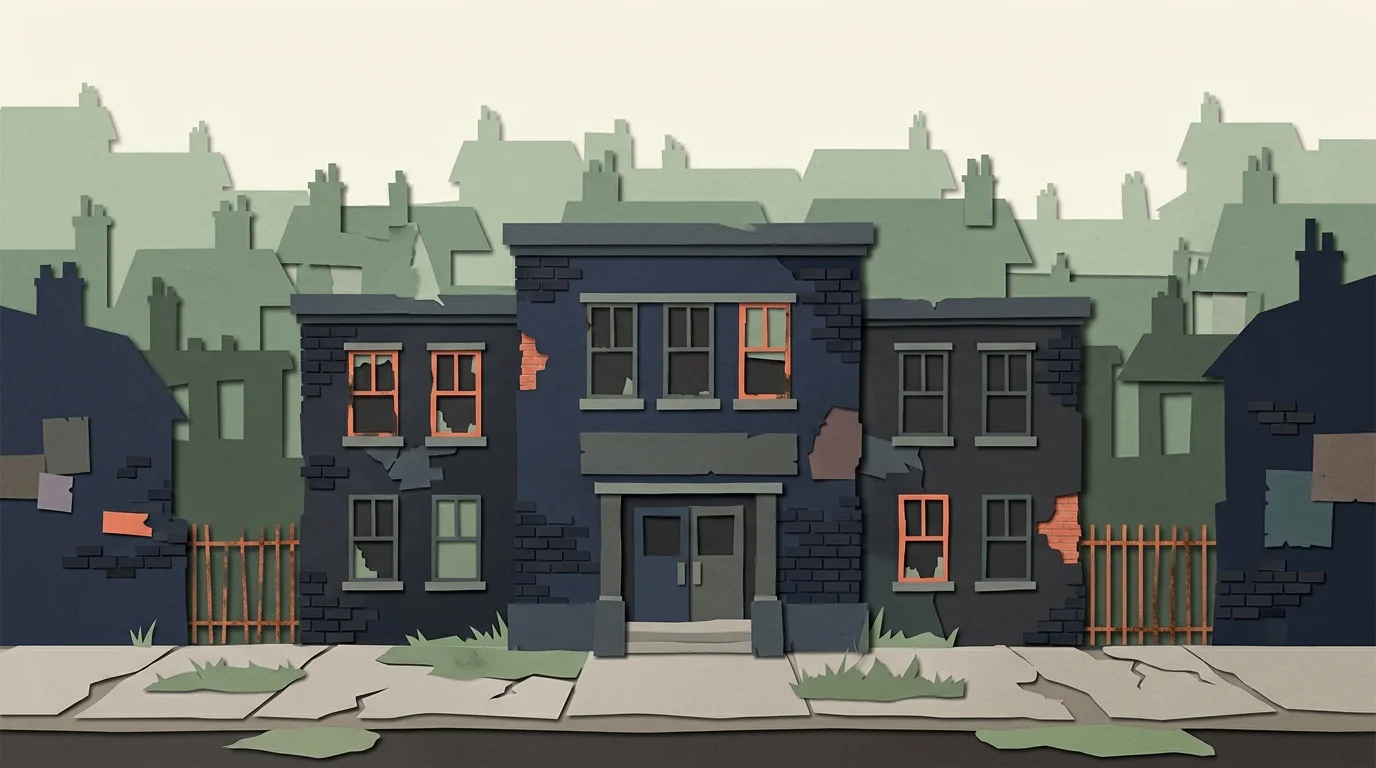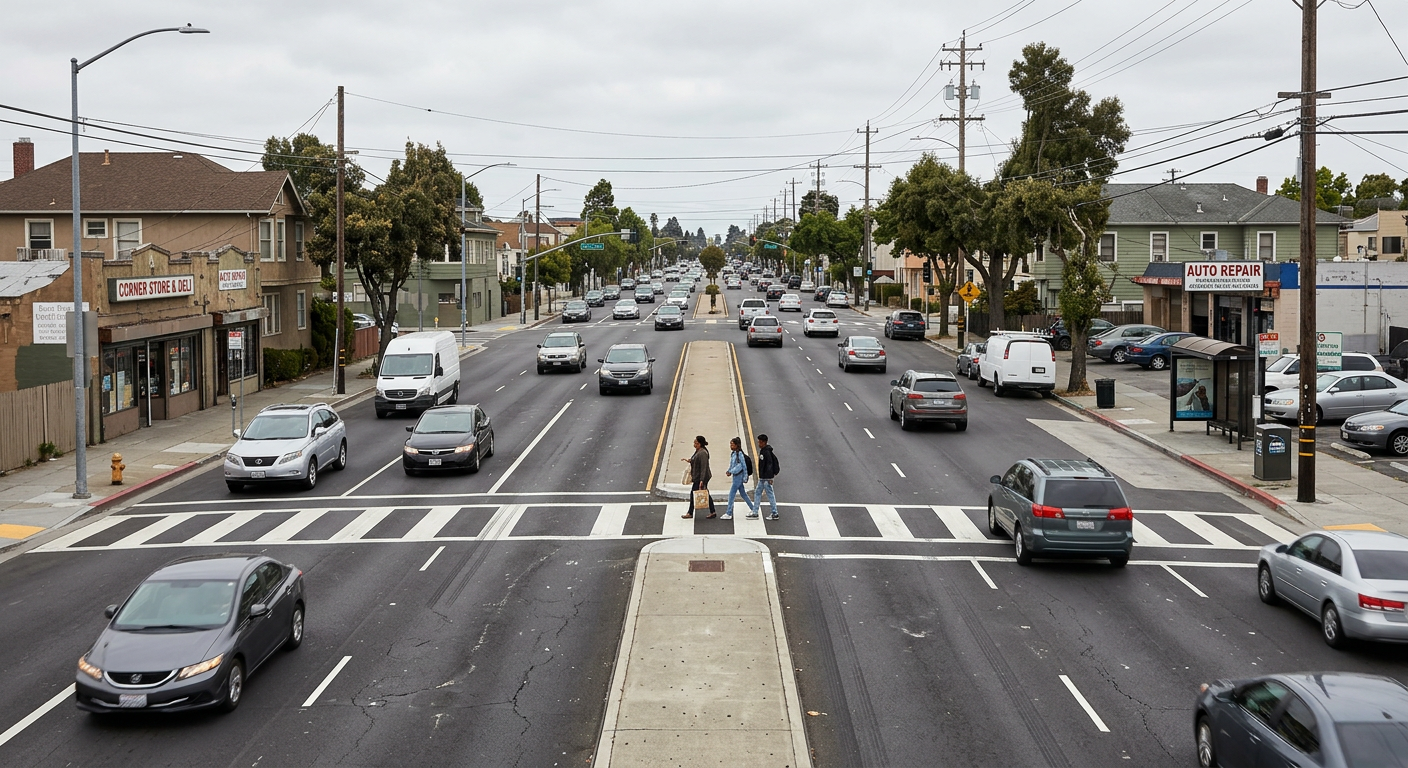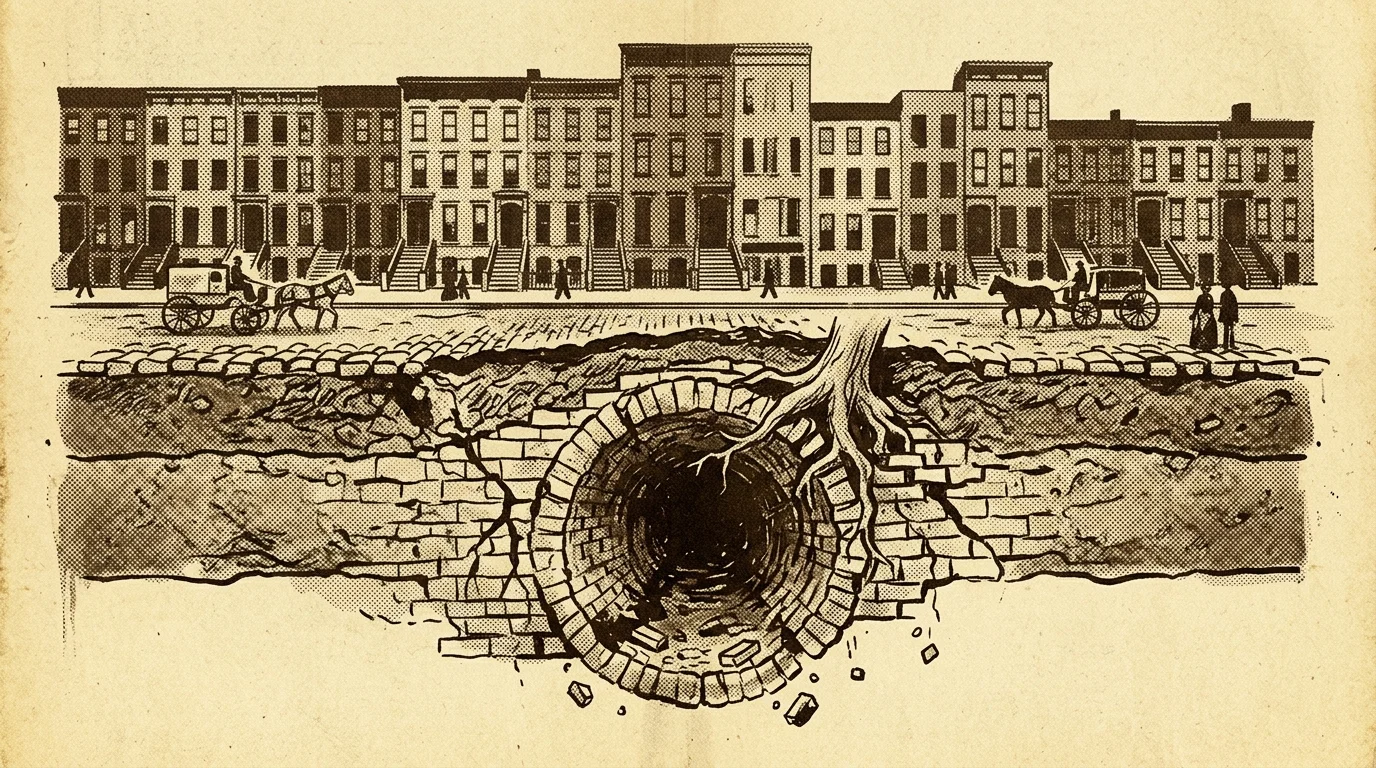
Beneath the luxury condos and crowded streets of North Brooklyn, New York, runs a sewer system that was built for a very different city. Much of the underground infrastructure in neighborhoods like Williamsburg, Greenpoint, and Bushwick dates to the industrial era of the late 1800s, and the city is now working to replace it before it fails.
New York City is seeking a contractor to reconstruct existing sewers in North Brooklyn as part of an ongoing capital program managed by the Department of Design and Construction and the Department of Environmental Protection. The project's designation as a rebid signals that an earlier attempt to line up a contractor didn't produce an acceptable result, a pattern that has become increasingly common across the city's infrastructure program as construction costs rise and qualified contractors remain in short supply.
The stakes for getting this work done are real. North Brooklyn's sewers were sized for a low-density, industrial-era neighborhood, but the area has undergone one of the most dramatic population surges in the city over the past two decades. Rezoning along the Williamsburg and Greenpoint waterfronts in 2005 opened the door to large-scale residential development, packing far more people onto streets served by pipes that were never designed to handle the load.
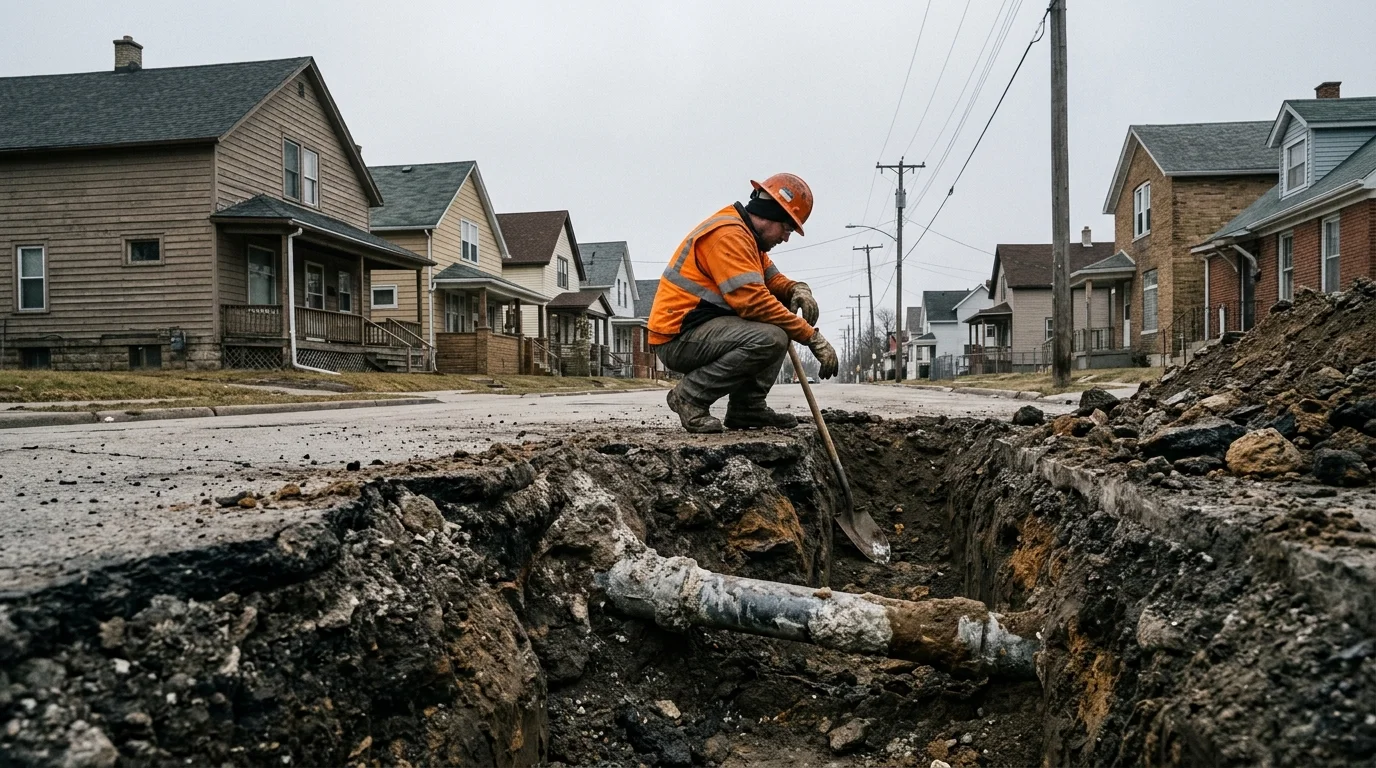
At the same time, those old brick and clay pipes are cracking, collapsing, and suffering root intrusion. When they fail, the consequences are visible: sinkholes, sewage backups, and street collapses. North Brooklyn also drains into Newtown Creek, a federal Superfund site due to decades of industrial contamination, where combined sewer overflows during rainstorms send raw sewage into already polluted waterways. Federal and state environmental agreements have pushed the city to accelerate these upgrades.
Climate change has added urgency. Hurricane Ida in September 2021 killed 11 New York City residents in basement flooding, exposing how badly aging underground infrastructure can fail during intense storms. The city's five-year capital plan includes roughly $5.5 billion for water and sewer work, but translating that commitment into completed projects has been harder than writing the budget line.
The rebid status of this contract is a reminder of that gap. Rising material costs, prevailing wage requirements, and the sheer difficulty of underground construction in dense urban neighborhoods have made it harder for the city to attract competitive bids. Every delay means more time that century-old pipes remain in service under streets that are busier than ever.
The city is now accepting new bids, with contractor selection the next step before construction can begin.