Milwaukee, Wisconsin is moving to upgrade two pump stations that play a critical role in keeping sewage out of neighborhood basements and Lake Michigan as heavier storms strain a sewer system built more than a century ago.
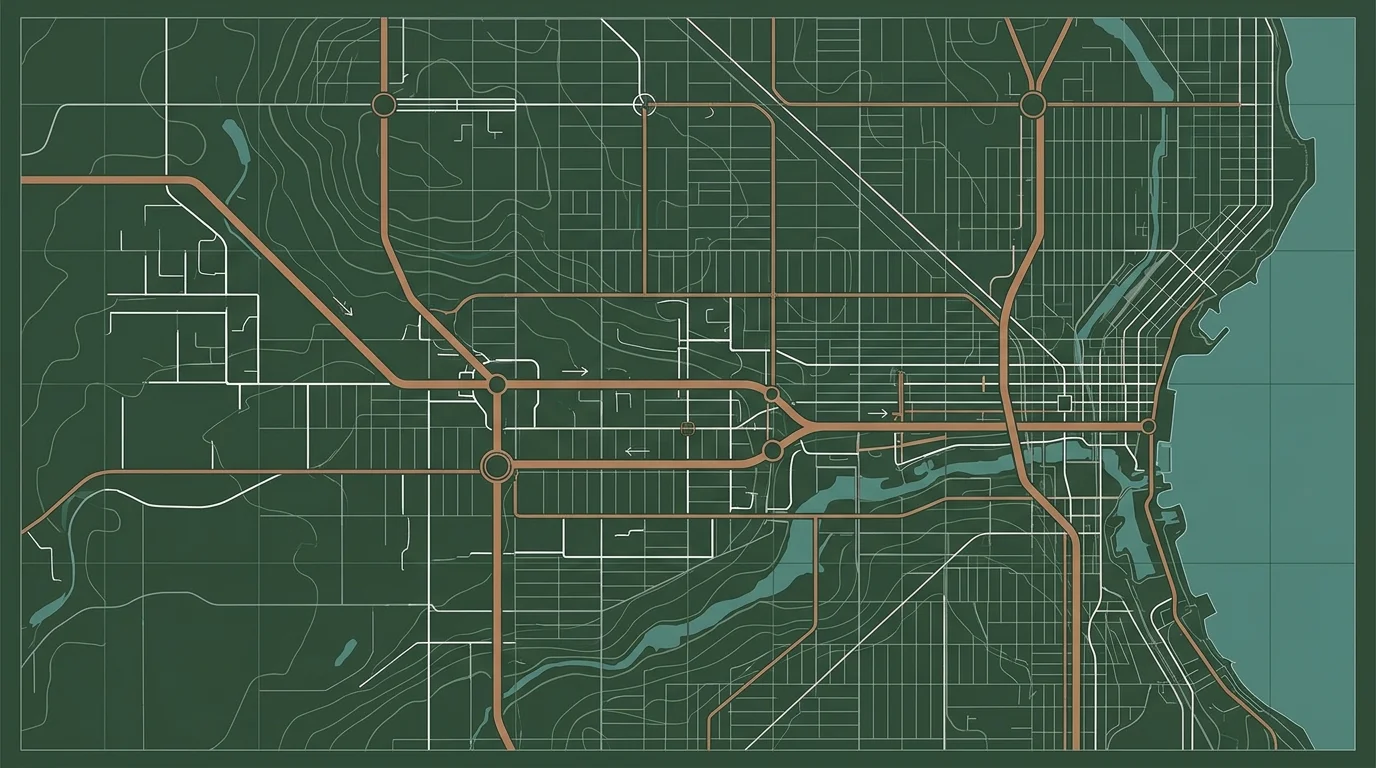
The Milwaukee Metropolitan Sewerage District (MMSD), which serves 1.1 million people across 28 municipalities, is seeking engineers to work on the Greenfield Park and Underwood Creek pump stations, both in the city's western and southwestern service area. No cost estimate has been made public at this stage, but the project fits within MMSD's roughly $4 to $5 billion capital improvement plan running through the mid-2030s.
The stakes are straightforward: when pump stations can't move enough water fast enough during heavy rain, the system backs up. For Milwaukee, that means sewage in basements or combined sewer overflows into Underwood Creek, the Menomonee River, and ultimately Lake Michigan.
Milwaukee's sewer system was designed in the early 1900s to carry both stormwater runoff and raw sewage in the same pipes, a common design at the time. The city's flat terrain and clay-heavy soils, which resist natural drainage, make that legacy especially difficult to manage. MMSD was created in 1982 under federal Clean Water Act pressure to address chronic overflow problems, and its signature project, a 28.5-mile network of deep underground tunnels capable of storing 521 million gallons of combined sewage, came online in the 1990s and dramatically reduced overflow events. But major storms can still overwhelm the system, as Milwaukee saw repeatedly during flooding events in 2023 and 2024.
The problem is getting harder to outrun. NOAA data shows the region has seen roughly a 30% increase in heavy precipitation events since the 1950s, and climate projections point to storms growing another 10 to 20% more intense by mid-century. Development in the western suburbs has added more pavement and rooftops over the decades, sending more runoff into a system designed for a smaller, less impervious landscape.
These upgrades are part of a broader push MMSD has been making across its network of more than 300 miles of interceptor sewers, seven treatment and reclamation facilities, and dozens of pump stations. As NationGraph has previously reported, Milwaukee has been upgrading flood-prone pump stations as part of this longer-term infrastructure overhaul.
The cost of inaction falls hardest on lower-income neighborhoods, where basement flooding and sewer backups are most frequent and residents have the fewest resources to recover. MMSD's capital program is funded largely through ratepayer fees, which have risen substantially over the past decade, a recurring tension in local politics.
Details on project cost and construction timeline are expected to become clearer as MMSD moves through contractor selection in the coming months.