Delaware researchers are building a robot designed to do something farmers on the Delmarva Peninsula have struggled with for decades: apply exactly the right amount of water and nitrogen fertilizer, no more, no less, to keep crops healthy without flooding the Chesapeake Bay with pollution.
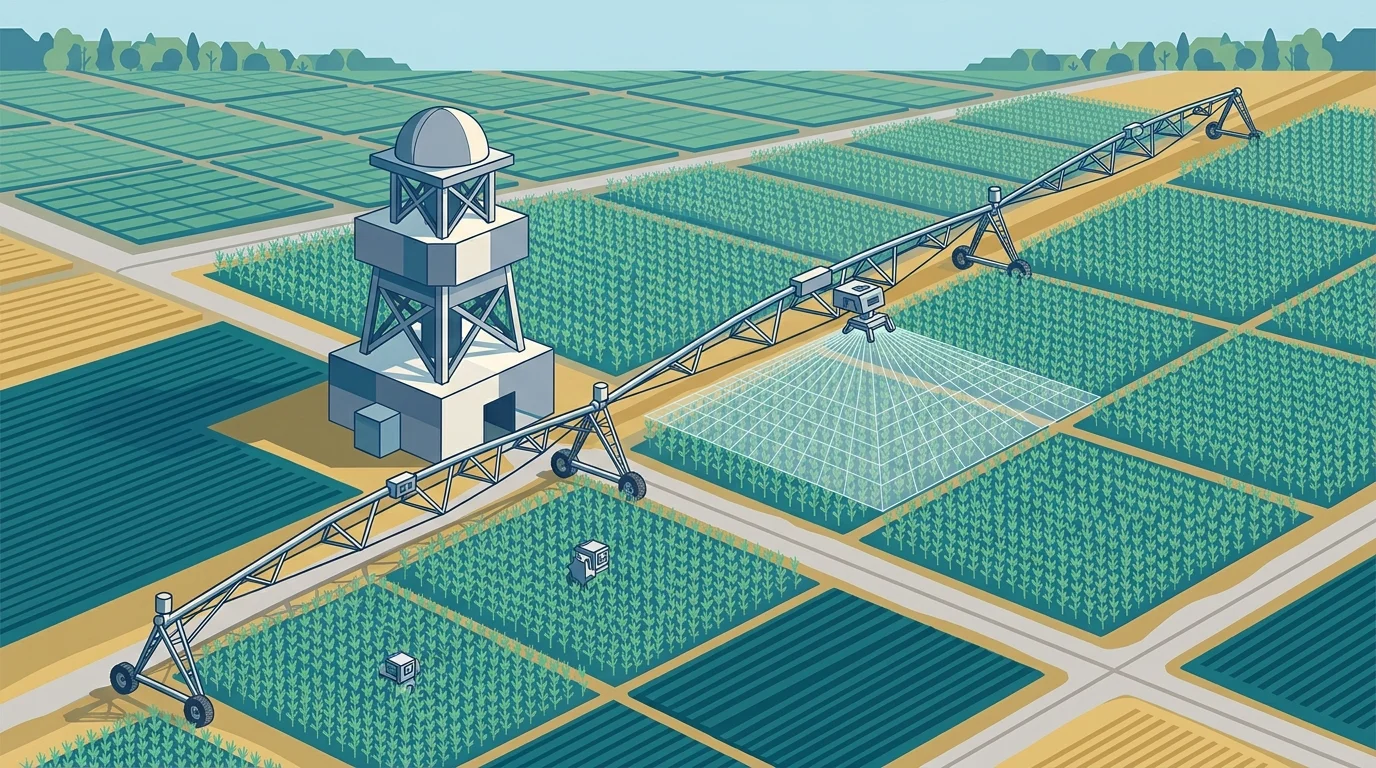
The project is backed by a $718,000 federal grant from the USDA's Agriculture and Food Research Initiative. The goal is a robotic scout that mounts directly onto the center pivot irrigation systems already common on Delaware farms, carrying close-range sensors to scan corn crops and soil in far more detail than drones or satellites can manage. Artificial intelligence then processes that data to predict precisely when and where water and nitrogen are needed.
The practical significance of attaching the system to existing equipment is hard to overstate for a farming community squeezed by rising input costs and volatile commodity prices. Farmers don't need to buy new machinery; the robot rides along on what they already own.
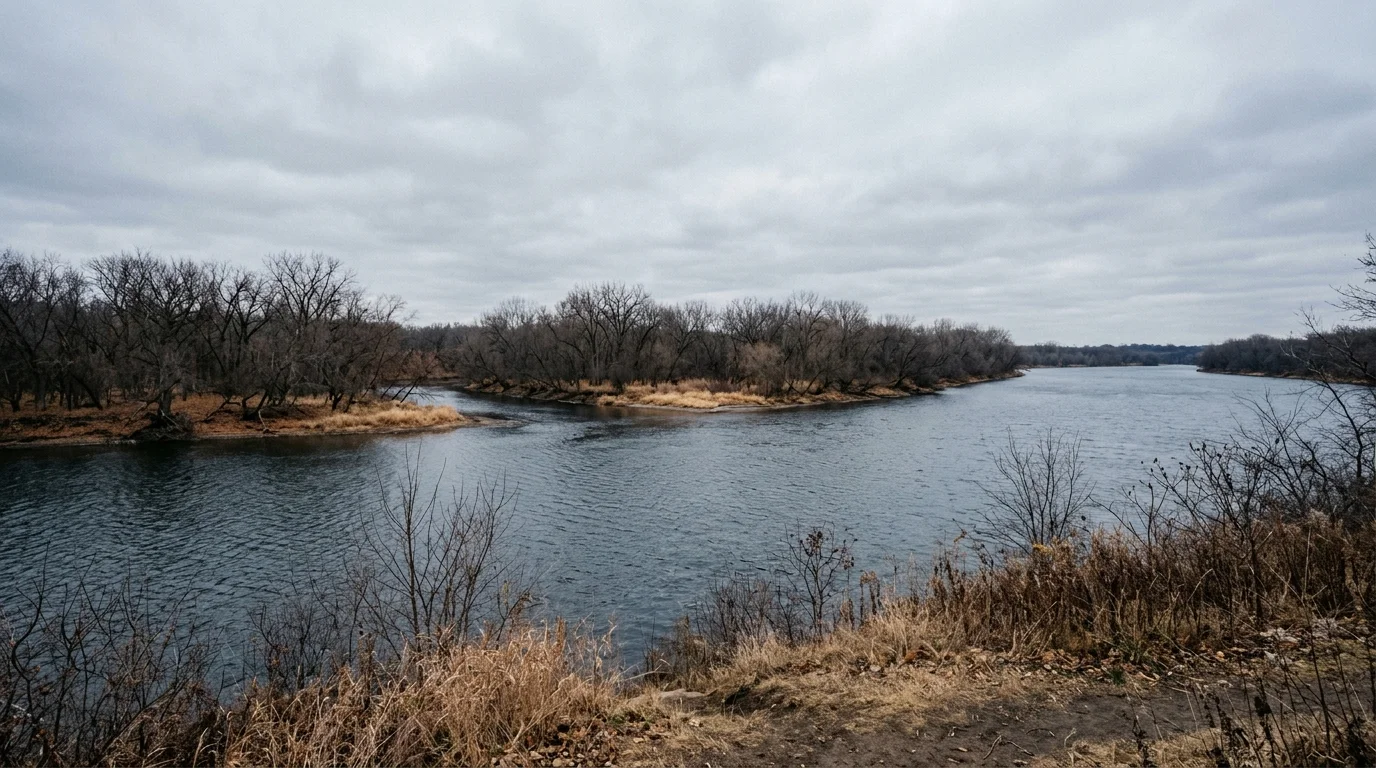
That affordability matters because the stakes for getting nitrogen management right extend well beyond any single farm's bottom line. Agricultural runoff, particularly nitrogen from fertilizer applied to corn and other crops, is the single largest source of pollution entering the Chesapeake Bay. Delaware sits entirely within the Bay's watershed, with nutrients from Delmarva's intensively farmed fields draining through rivers like the Nanticoke into waters that have been the subject of a federally mandated cleanup effort since 1983. The Chesapeake Bay Foundation's most recent report card gave the Bay a D+, and nitrogen reduction targets set by the EPA for 2025 remain unmet, particularly from agricultural sources.
Managing nitrogen is genuinely difficult. Farmers who under-apply see yields fall; those who over-apply send excess into groundwater and streams. Climate change has made that calculation harder: the Northeast has seen heavy precipitation events increase by 55 percent since 1958, according to NOAA, creating stronger pulses of runoff that carry fertilizer directly into waterways before crops can absorb it.
The research team will use computer simulations to train the AI system before deploying it in real corn fields, an approach that allows the model to learn from a wide range of conditions without waiting years for field trials. The focus on corn is deliberate: it is the dominant row crop on the Delmarva Peninsula and one of the heaviest nitrogen consumers in Mid-Atlantic agriculture.
The research is in early development; the grant was awarded this month, and building and validating a working system will take years before any commercial version could reach farms broadly. Whether it ultimately moves the needle on the Bay's persistent pollution problem remains an open question, but it represents the kind of field-level precision tool that agricultural researchers and environmental regulators have long said is necessary.