Brevard County, Florida is moving to connect homes along Rockledge Drive to the municipal sewer system, a project years in the making that represents one of the most direct attacks yet on the nutrient pollution strangling the Indian River Lagoon.
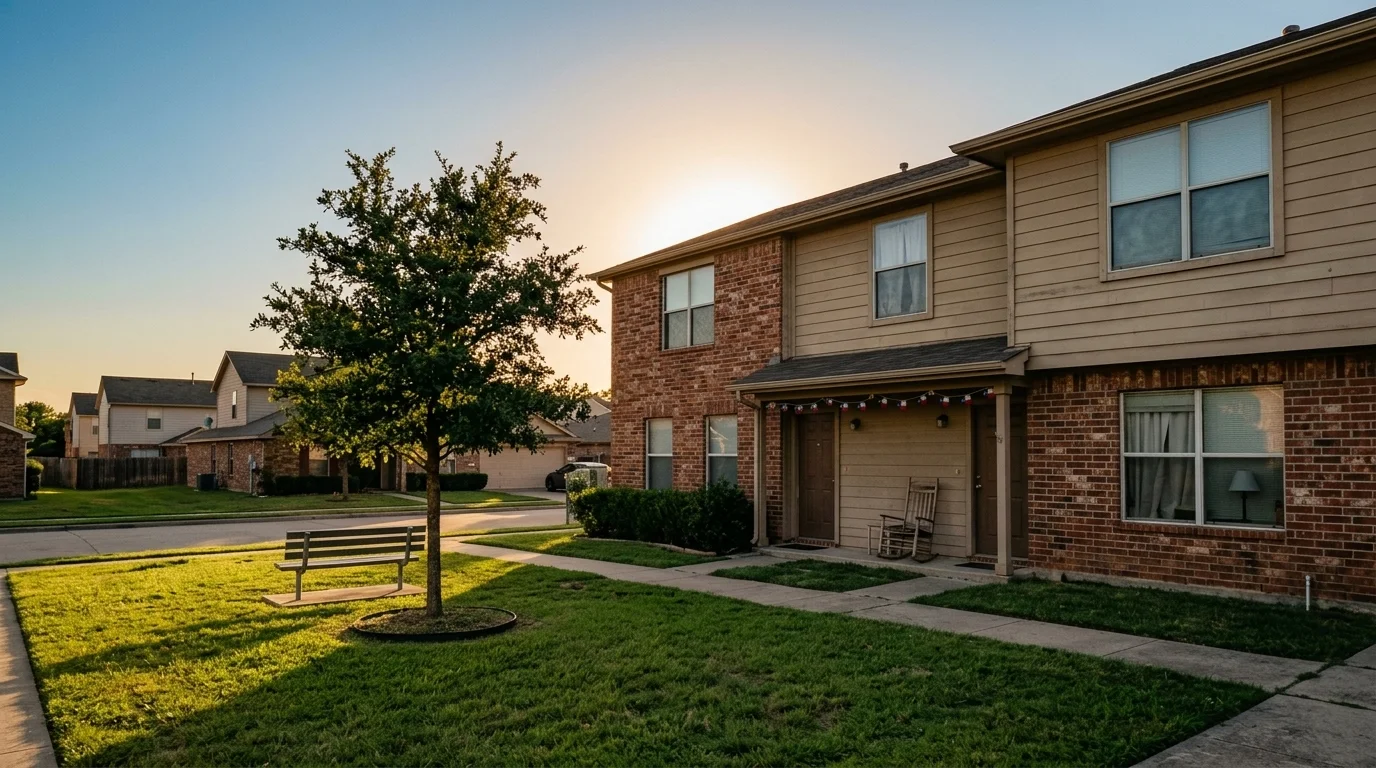
The corridor targeted sits on the western shore of the lagoon in the City of Rockledge, where mid-20th century homes were built with septic systems long before sewer infrastructure reached the neighborhood. In Florida's flat, sandy soils with high water tables, those septic systems don't just treat waste in place. Nitrogen and phosphorus leach into the groundwater and drain directly into the lagoon, fueling the algal blooms that have devastated it.
The damage has been severe. 'Superbloom' events in 2011 and 2016 wiped out vast seagrass beds. Without seagrass, manatees starved. In 2021 alone, more than 1,100 manatees died in what federal officials declared an unusual mortality event, drawing coverage from outlets around the world and forcing a reckoning over just how badly the lagoon had degraded. Scientists and water managers identified the roughly 300,000 septic systems within the IRL watershed as one of the primary drivers.
Brevard County residents responded in 2016 by voting 62 percent in favor of a half-cent sales tax dedicated entirely to lagoon restoration, a measure known as the Save Our Indian River Lagoon initiative. That tax has generated hundreds of millions of dollars, and septic-to-sewer conversion has consumed the largest share, identified as the single most impactful category of spending in the county's SOIRL Project Plan.
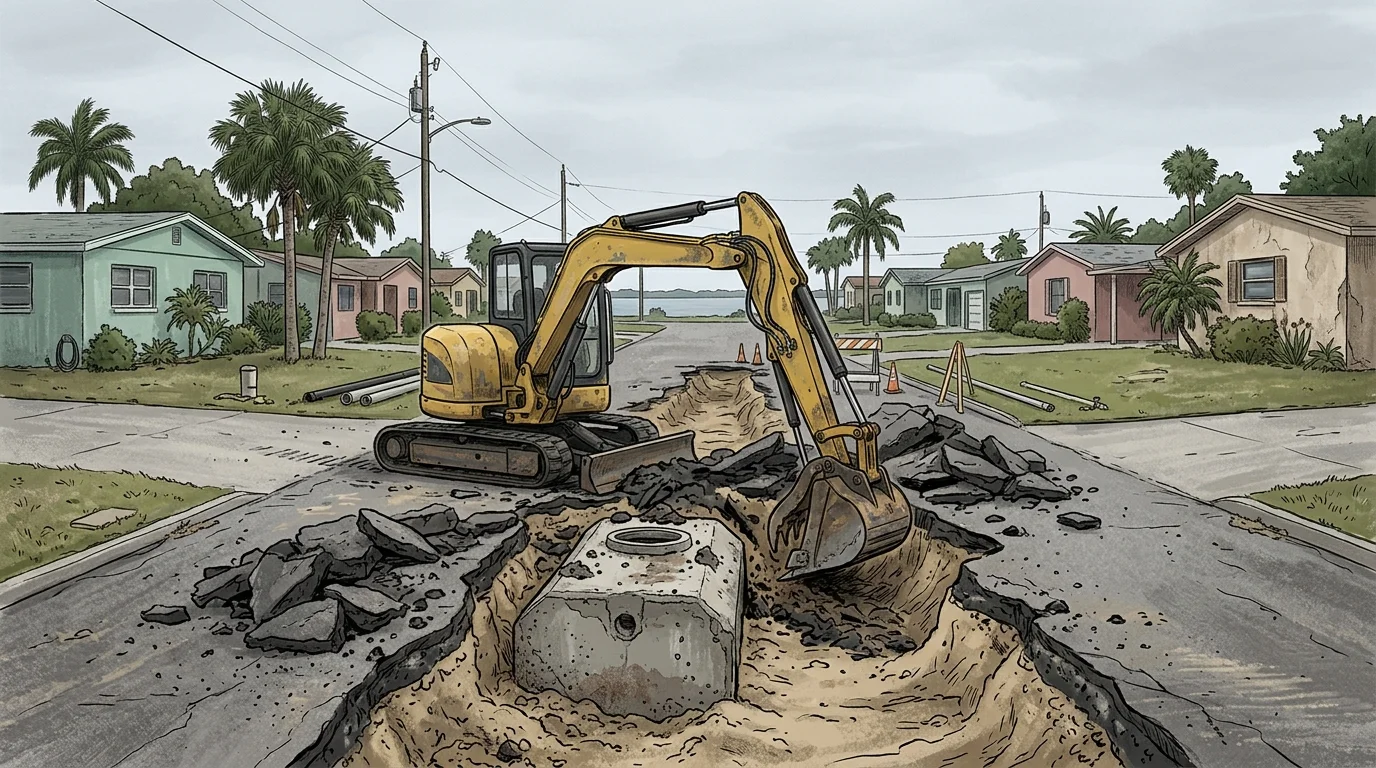
The Rockledge Drive work falls within what the county calls South Central Zone A, one of the highest-priority geographic areas in its phased conversion plan because of how close the homes sit to the lagoon itself. The county is pairing the sewer work with roadway reconstruction and drainage upgrades at the same time, a practical move given that laying sewer lines means tearing up the road anyway, and better stormwater drainage also cuts down on nutrient runoff into the lagoon.
For homeowners along the corridor, the project brings both relief and complications. The SOIRL program covers the bulk of infrastructure costs, but individual property owners still face connection fees that can run into the thousands of dollars, a source of ongoing tension in the broader conversion program.
The county is now in the contractor selection phase. Once a construction firm is hired, residents on affected blocks can expect road closures and utility work to follow.