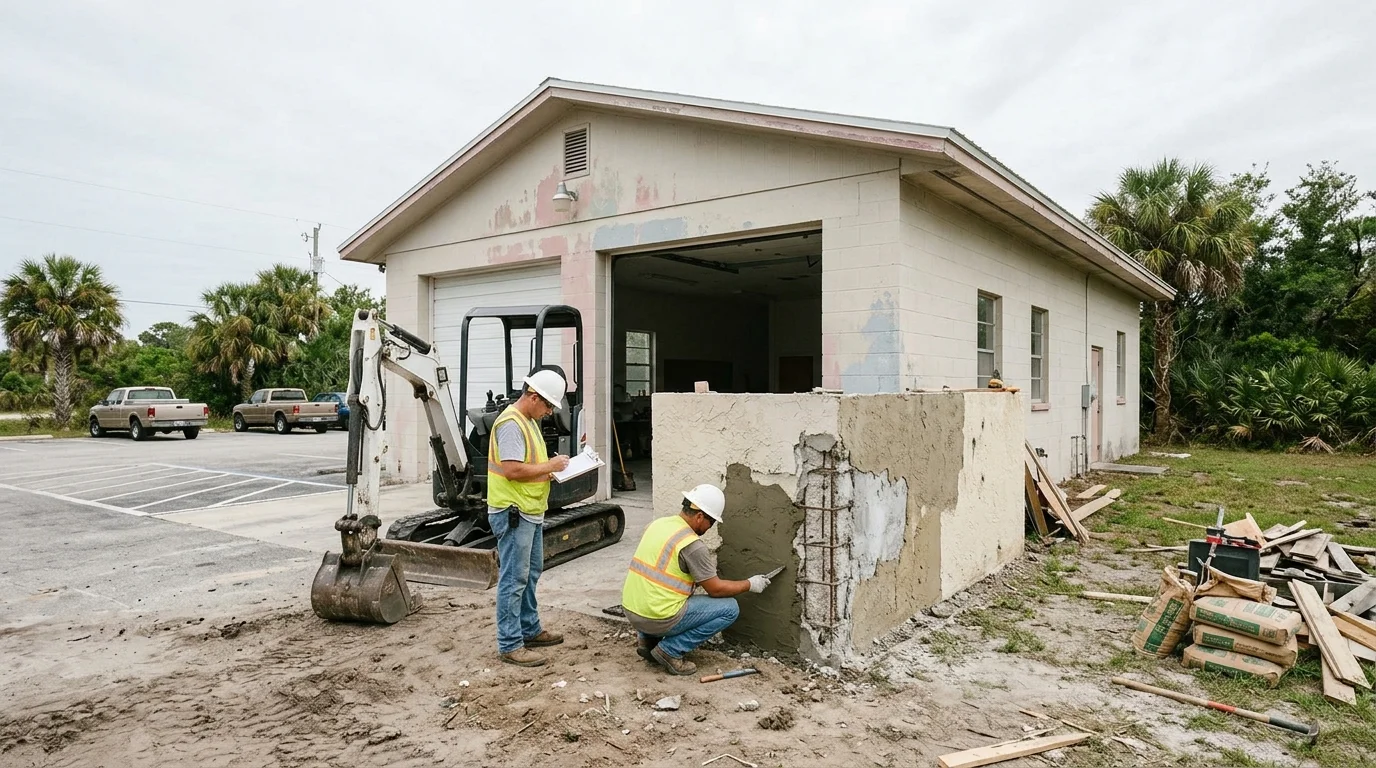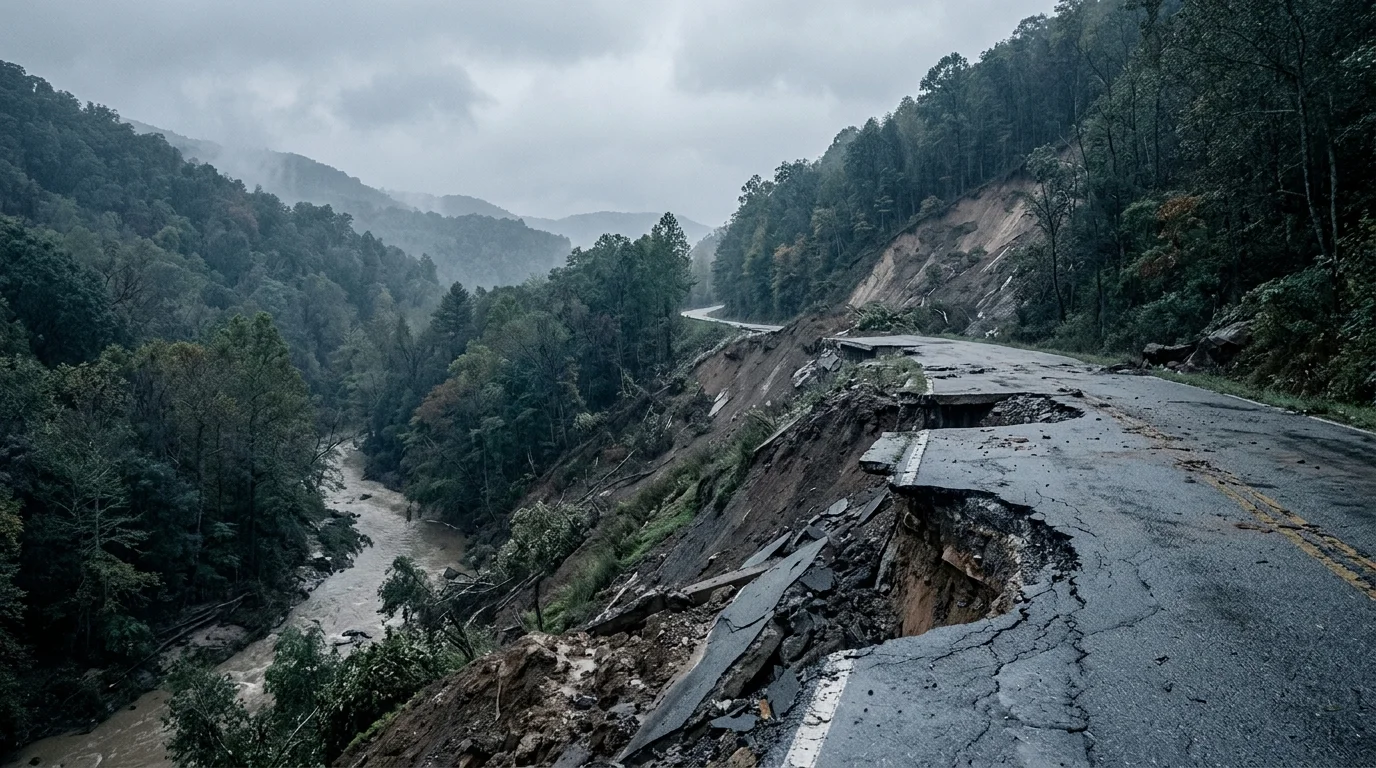
In the rugged Appalachian highlands of northeastern Tennessee, where mountain roads often double as lifelines, Hurricane Helene left a trail of washed-out pavement and isolated communities. Now, a $1.52 million federal grant is headed to the region to reconstruct roughly four miles of State Route 159 across Carter and Johnson counties, two of the hardest-hit areas when the storm swept through in late September.
Helene made landfall as a Category 4 hurricane on Florida's Gulf Coast on September 26, 2024, but it was the storm's catastrophic inland flooding that shocked the Southeast. Torrential rainfall dumped onto already-saturated mountain terrain, sending rivers like the Doe and Watauga surging well beyond their banks and triggering landslides across eastern Tennessee and western North Carolina. Johnson County was among the worst-affected Tennessee counties, with communities cut off for days when roads crumbled or washed away entirely.
That vulnerability is not just a weather story. Johnson County is one of Tennessee's most economically disadvantaged, with poverty rates well above state and national averages and almost no infrastructure redundancy. In steep mountain valleys where roads are built alongside rivers and creeks, there often isn't an alternate route when a road fails. When SR-159 goes out, the communities it connects are simply cut off.
The funding comes through the federal PROTECT program, created by the 2021 Bipartisan Infrastructure Law as the first dedicated federal program focused on making transportation networks more resilient to extreme weather and climate change. The roughly $7.3 billion, five-year program can be used both for proactive resilience upgrades and, as in this case, for post-disaster reconstruction. The speed of the award, posted October 25, less than a month after landfall, reflects how urgently federal agencies moved to restore access in isolated mountain communities.
Similar federal resilience funding has supported repairs elsewhere in the region, including a hillside stabilization project on Route 775 in Lawrence County, Ohio, where terrain vulnerabilities also put a rural road at risk.
The broader Helene disaster killed more than 200 people across the Southeast, with the majority of deaths in western North Carolina and eastern Tennessee. Tennessee Governor Bill Lee declared a state of emergency, and a federal major disaster declaration followed. TDOT reported dozens of road closures across East Tennessee in the weeks after the storm.
Reconstruction details and a timeline for the SR-159 project have not yet been publicly released by TDOT.