Hancock County, Mississippi is getting $1.63 million to extend sewer lines into a growing corridor between the Kiln area and Diamondhead, money that traces back to the penalties BP paid after the 2010 Deepwater Horizon oil spill.
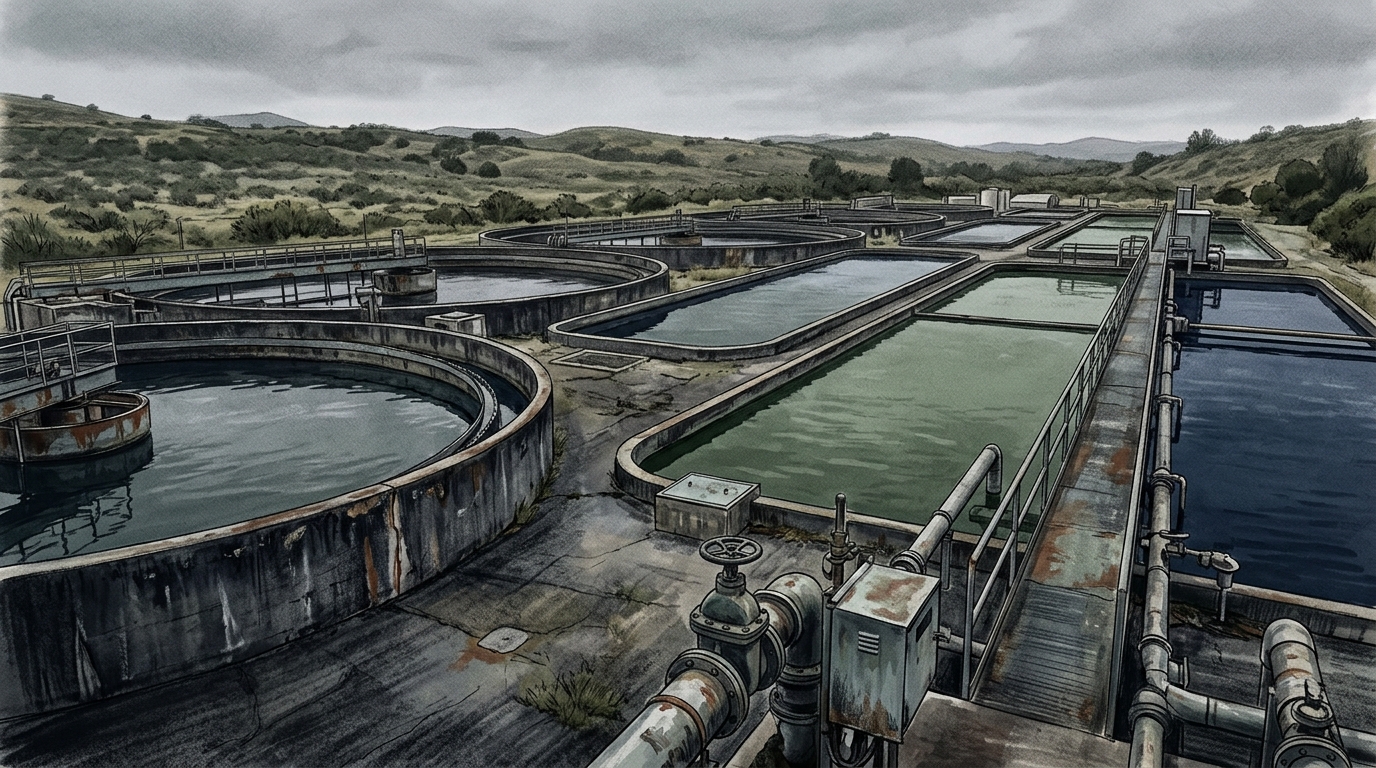
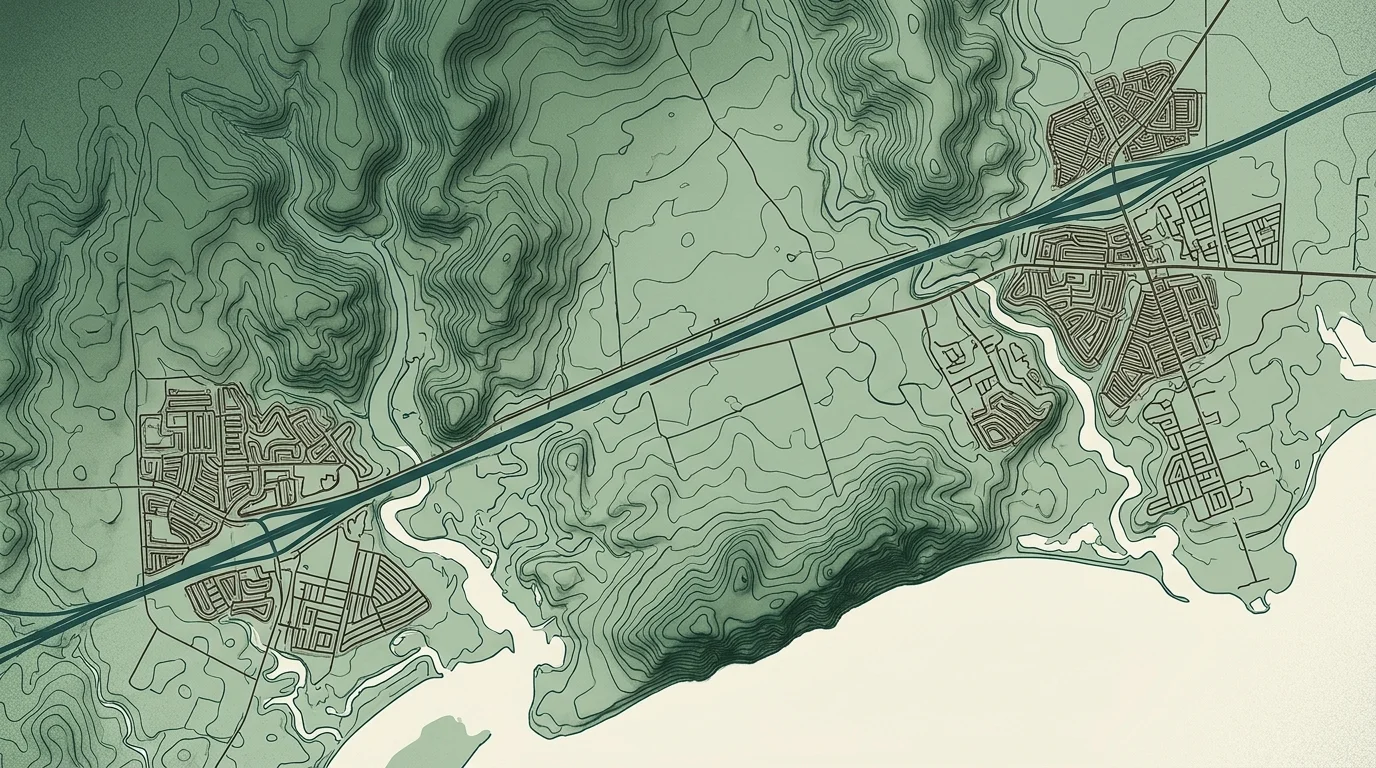
The grant, awarded February 1 through the RESTORE Act's Direct Component Program, will fund new sewer line extensions and pump stations running along Kapalama Drive from Kiln-Delisle Road to the Diamondhead city limits. The Kiln Utility and Fire District will carry out the work, with the Mississippi Department of Environmental Quality administering the funds.
The project addresses a persistent gap in utility coverage that has limited development in one of the county's growth corridors. Much of Hancock County outside municipal limits still relies on septic systems, which environmental advocates have flagged as increasingly inadequate as residential density rises and as a pollution risk to bayous and waterways that drain into the Gulf of Mexico.
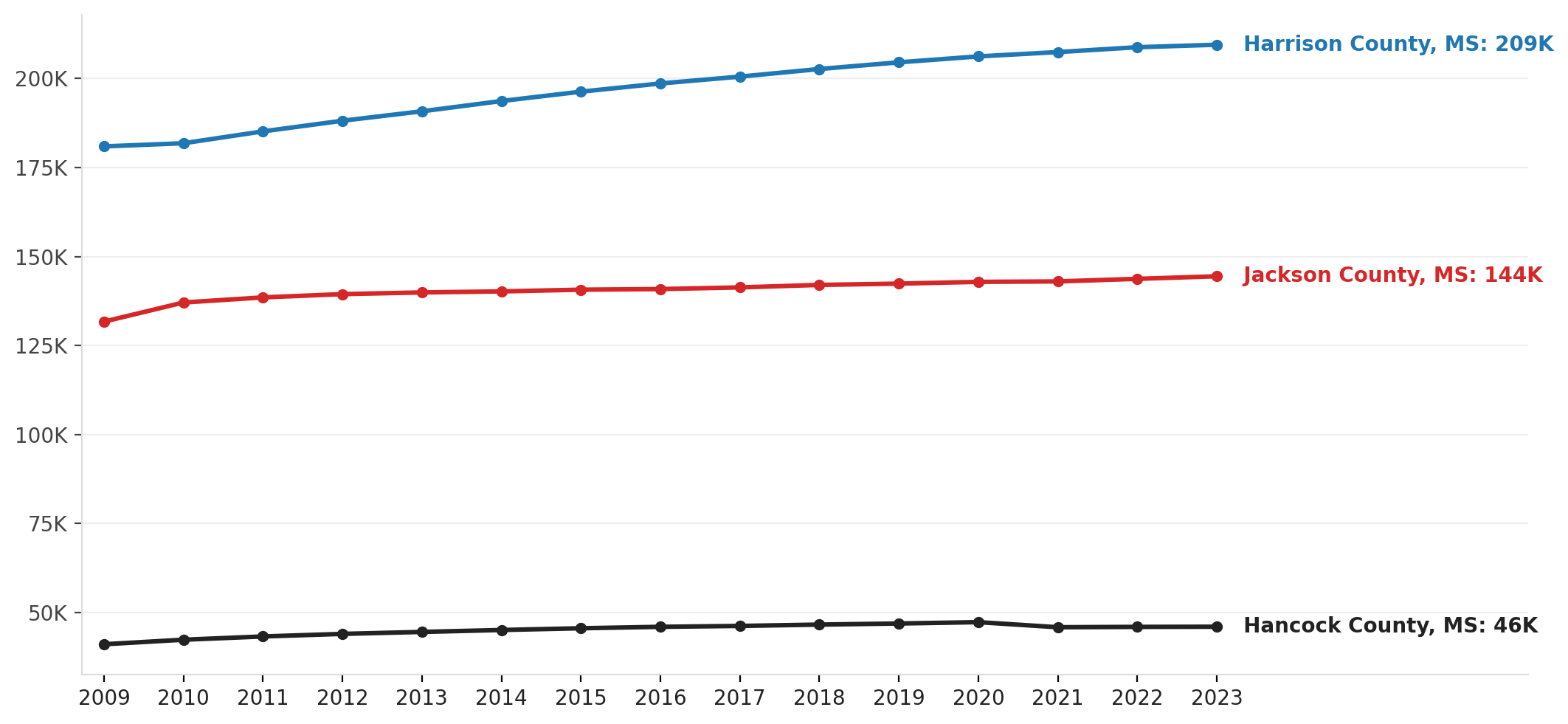
Source: U.S. Census Bureau, American Community Survey.
Hancock County was the site of Hurricane Katrina's 2005 landfall, and the rebuilding that followed drove significant population growth, particularly in Diamondhead, a planned community that incorporated as a city in 2012. But utility infrastructure, including sewer service, never fully kept pace with that growth.
The RESTORE Act, passed in 2012, directed 80 percent of BP's Clean Water Act penalties into a Gulf Coast Restoration Trust Fund, with Mississippi sharing funds equally among the five Gulf states. BP ultimately settled for $20.8 billion, with payments flowing over roughly 15 years. The law allows eligible projects to span ecological restoration, workforce development, and infrastructure like water and sewer systems.
Mississippi's use of those funds has drawn scrutiny over whether the money tilts more toward economic development than environmental recovery. This project lands firmly in the infrastructure-for-growth category, with the stated goal of supporting future community development in Hancock County rather than directly restoring coastal habitat.
No completion timeline was specified in the grant documents. The Kiln Utility and Fire District has not publicly announced a construction schedule.